Back to All News
Great döner is the result of precise marination, quality meat selection and advanced production technology. Discover how DAMAK blends traditional recipes with modern food science.
döner kebab production, how döner is made, DAMAK recipe quality, halal döner Europe, frozen döner manufacturer
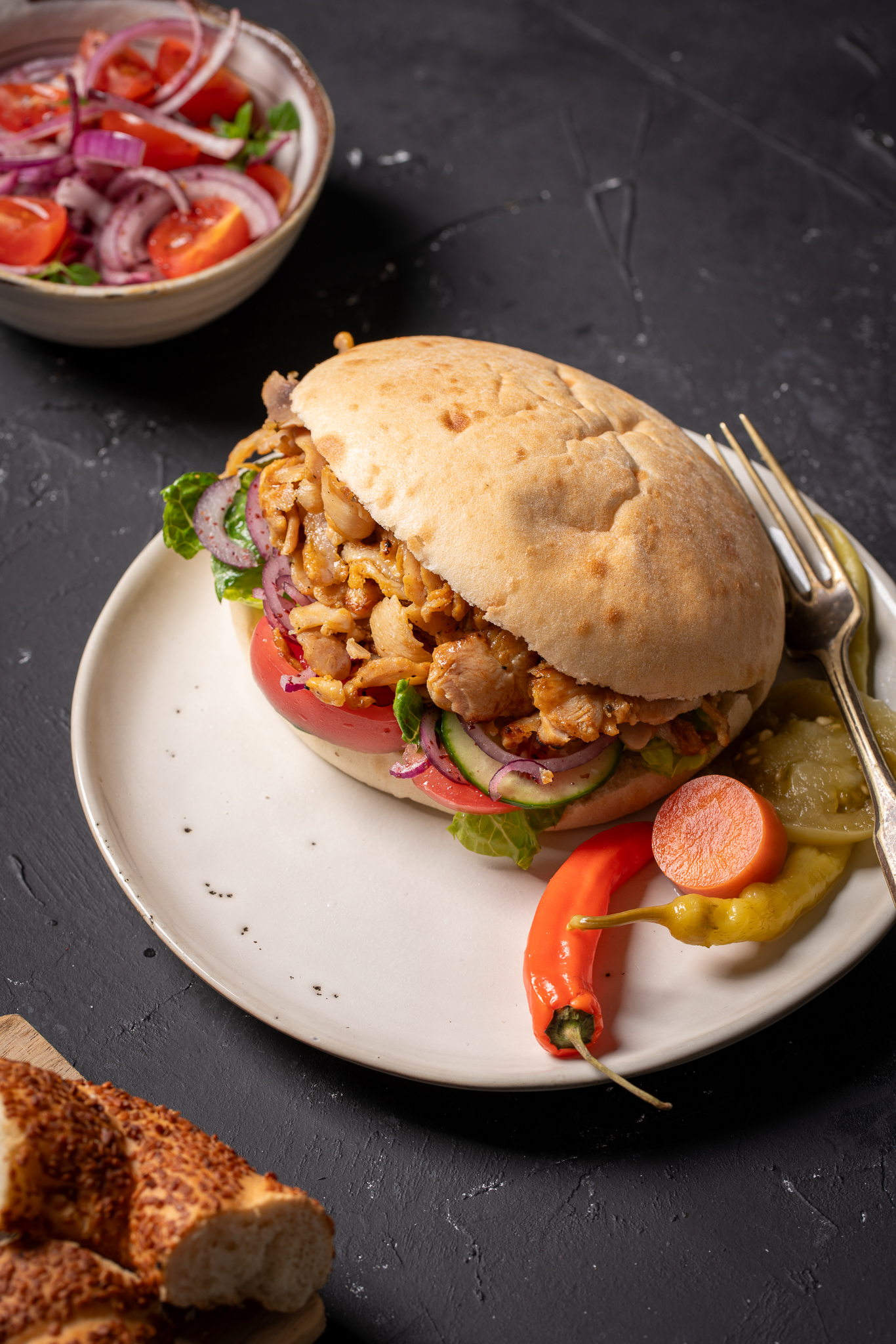
Döner kebab is one of Europe's most beloved fast foods — yet surprisingly few consumers know what separates a truly exceptional döner from a mediocre one. The answer, it turns out, lies not just in the recipe but in every decision made throughout the production process, from the selection of raw materials to the technology used in freezing and packaging. DAMAK has spent more than fifteen years refining each of these decisions.
**It Starts with the Meat**
The foundation of any great döner is the quality of the meat. DAMAK works with carefully vetted suppliers who meet strict standards for animal welfare, feed quality and traceability. The company's procurement team applies rigorous selection criteria that go beyond simple price comparison — because the quality of the raw material sets an upper limit on the quality of the finished product that no amount of processing can overcome.
**The Marination Process**
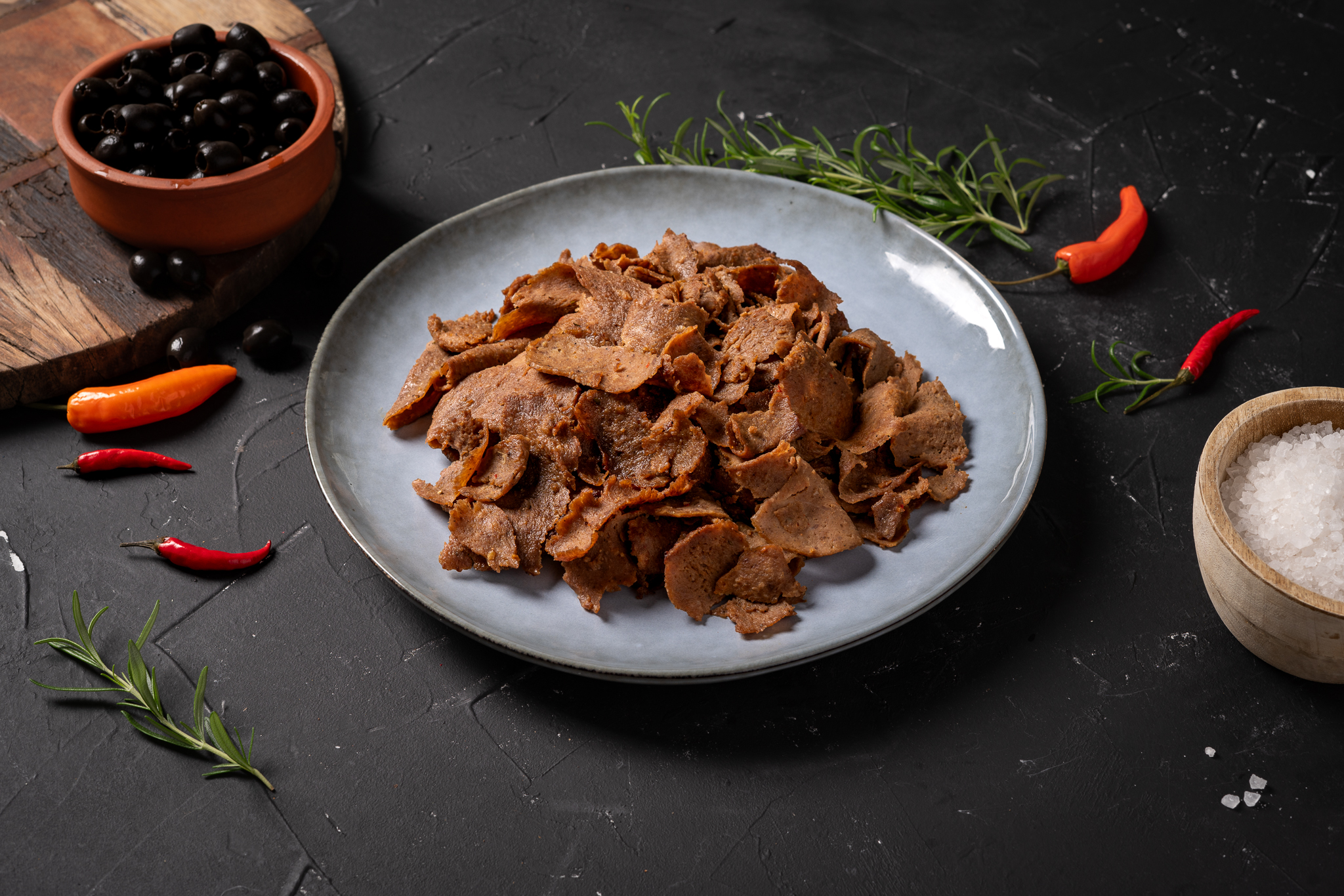
What distinguishes DAMAK's products in the market is the depth and consistency of their flavour profiles. This begins in the marination stage, where precise spice blends are combined with the meat in carefully calibrated proportions. The marination process is governed by strict recipes developed through extensive R&D testing, ensuring that every batch delivers the same taste experience regardless of when or where it is produced.
This consistency is critical for DAMAK's restaurant and food service customers. Operators who build their menus around DAMAK products need to know that the product will taste identical whether they receive a delivery today or in six months' time. Achieving that consistency at scale — across three production facilities in Poland, producing tens of thousands of tonnes per year — requires a level of process discipline that goes far beyond traditional artisan food production.
**IQF: Preserving Freshness Through Science**
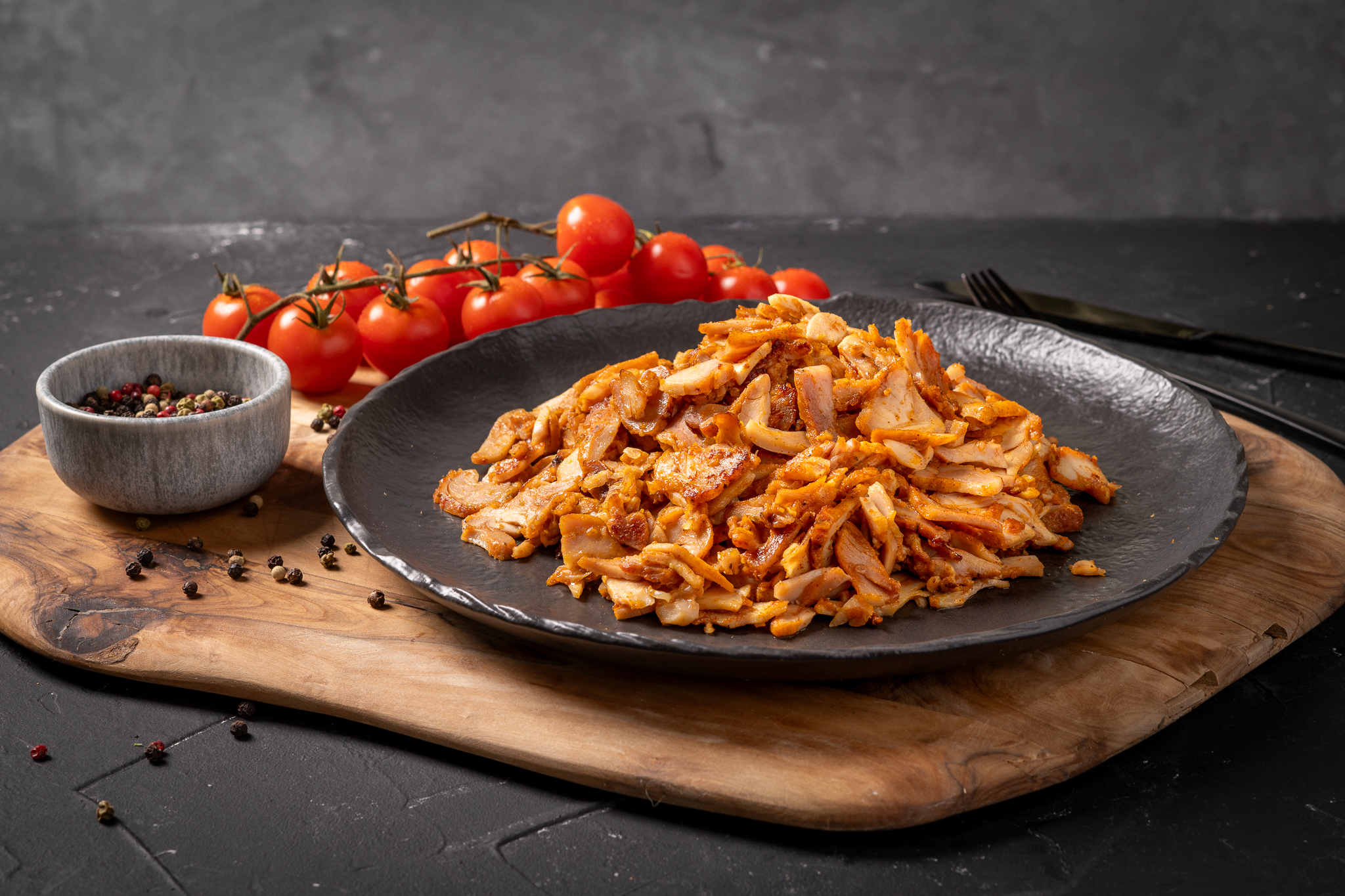
Once the döner is prepared, the IQF process preserves it for distribution. Freezing individual pieces rapidly at -40°C or below eliminates the ice crystal formation that damages cell walls in slower freezing processes. When the product is thawed by a restaurant operator before cooking, it behaves like fresh — because, from a cellular perspective, the damage that conventional freezing causes simply has not occurred.
For chefs and restaurant operators, this translates into consistent cook times, predictable yields and superior visual presentation. The IQF format also offers practical portioning advantages — operators can take exactly the quantity they need from a bag without defrosting the entire package.
**Quality Control at Every Stage**
DAMAK's ISO 22000 certification is not a wall plaque — it reflects a systematic approach to food safety management that pervades every aspect of the operation. Critical control points are monitored continuously; deviations trigger immediate corrective actions; and complete documentation of each production batch is maintained for full traceability. This is what "quality assurance" means in practice — not a final inspection at the end of the line, but a disciplined process architecture that makes failure unlikely from the outset.